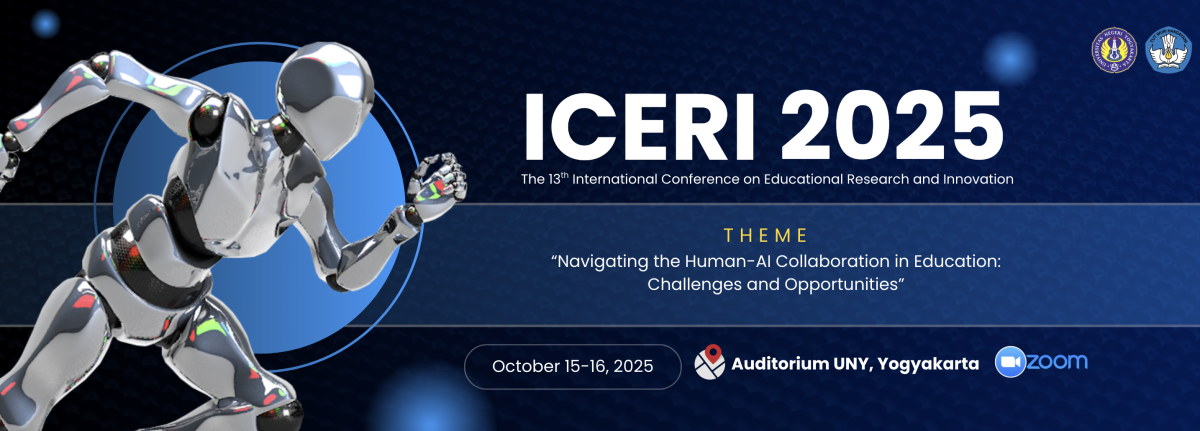
ICERI 2025

The 13th International Conference on Educational Research and Innovation
Theme:
“Navigating the Human-AI Collaboration in Education: Challenges and Opportunities"
Tuesday-Wednesday, September 29-30, 2026
BACKGROUND
Artificial Intelligence (AI) has become an integral part of global education transformation. Its presence offers extraordinary opportunities to design more adaptive, data-driven, and responsive learning systems. AI enables personalized instruction, tailored assessments, real-time analytics, and predictive insights into student performance—enhancing the overall learning experience in ways that traditional systems could not achieve. However, as AI becomes more embedded in education systems, it also brings complex challenges. These include the lack of responsive policy frameworks, concerns over data privacy and student surveillance, unequal access to technology, and varying levels of readiness among educators and institutions. In this context, it is essential to develop comprehensive national and institutional strategies that guide human-AI collaboration in ways that are ethical, inclusive, and aligned with human-centered values. Higher education institutions have a central role in addressing these challenges. First, universities serve as hubs for the research and development of AI technologies and must uphold ethical responsibility to ensure their applications serve the broader goals of education and society. Second, universities are responsible for preparing future educators—teachers and lecturers—who must be digitally literate and capable of integrating AI meaningfully into their instructional practices. Third, higher education institutions play a key role in shaping institutional policies and cross-sector frameworks that strategically and equitably navigate the integration of AI in learning environments. This international seminar is therefore convened to provide a platform for critical and collaborative dialogue on how humans and AI can work together within education systems. Through the theme “Navigating the Human-AI Collaboration in Education: Challenges and Opportunities,” the seminar invites academics, practitioners, and policymakers to share insights, lessons learned, and strategic approaches from diverse national contexts. The discussions are centered on two major areas: policy frameworks at national and institutional levels, and the practical implementation of AI in classrooms and learning management systems. For higher education, this conversation is not only timely but necessary. As drivers of innovation and thought leadership, universities must actively participate in shaping the direction of AI in education to ensure it strengthens—not replaces—the role of educators, enhances equity in learning outcomes, and fosters inclusive access to digital transformation. By engaging in this international forum, participants will explore pathways to build AI ecosystems that support human learning rather than undermine it. The goal is to ensure that AI acts as an enabler of meaningful learning, ethical decision-making, and inclusive educational experiences. In doing so, higher education institutions reaffirm their commitment to human dignity, academic integrity, and the transformative power of education in the age of intelligent technologies.
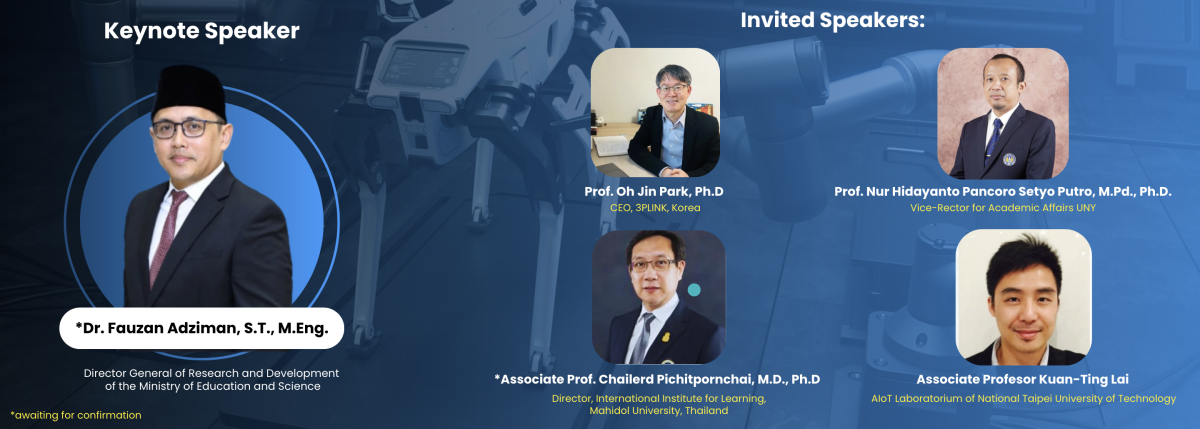
Keynote speaker

*Director General of Research and Development of the Ministry of Education and Science
*awaiting for confirmation
Invited speakers
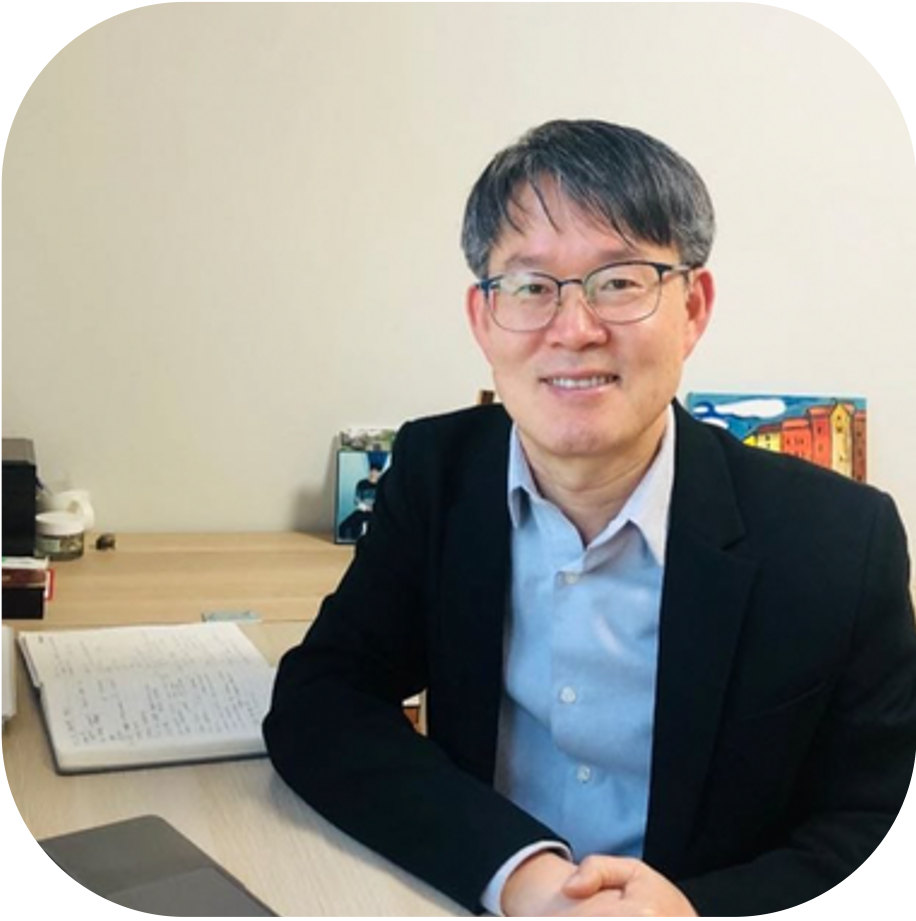
Prof. Oh Jin Park, Ph.D.
CEO, 3PLINK, Korea
Topic: AI Policy Directions and Innovation Strategies in Korean Higher Education
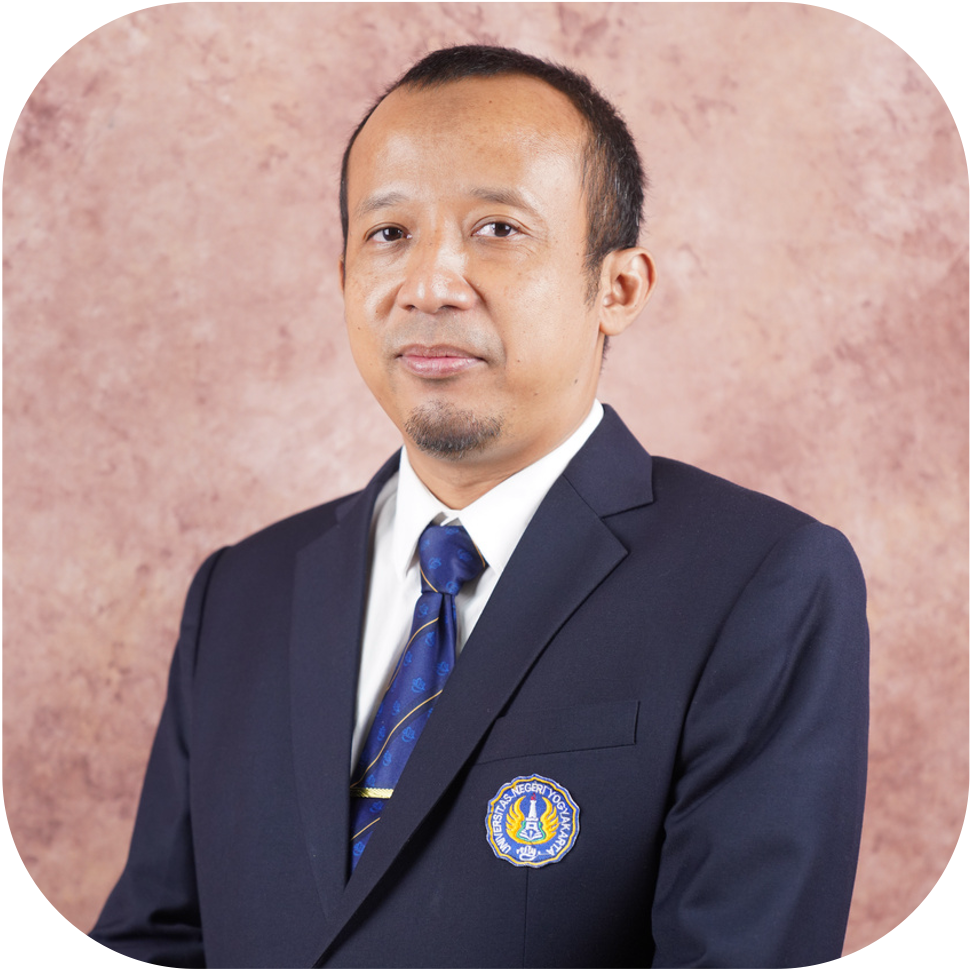
Prof. Nur Hidayanto Pancoro Setyo Putro, M.Pd. Ph.D
Vice-Rector for Academic Affairs
Topic: Ensuring Equity and Data Protection in AI-Supported Learning Environments
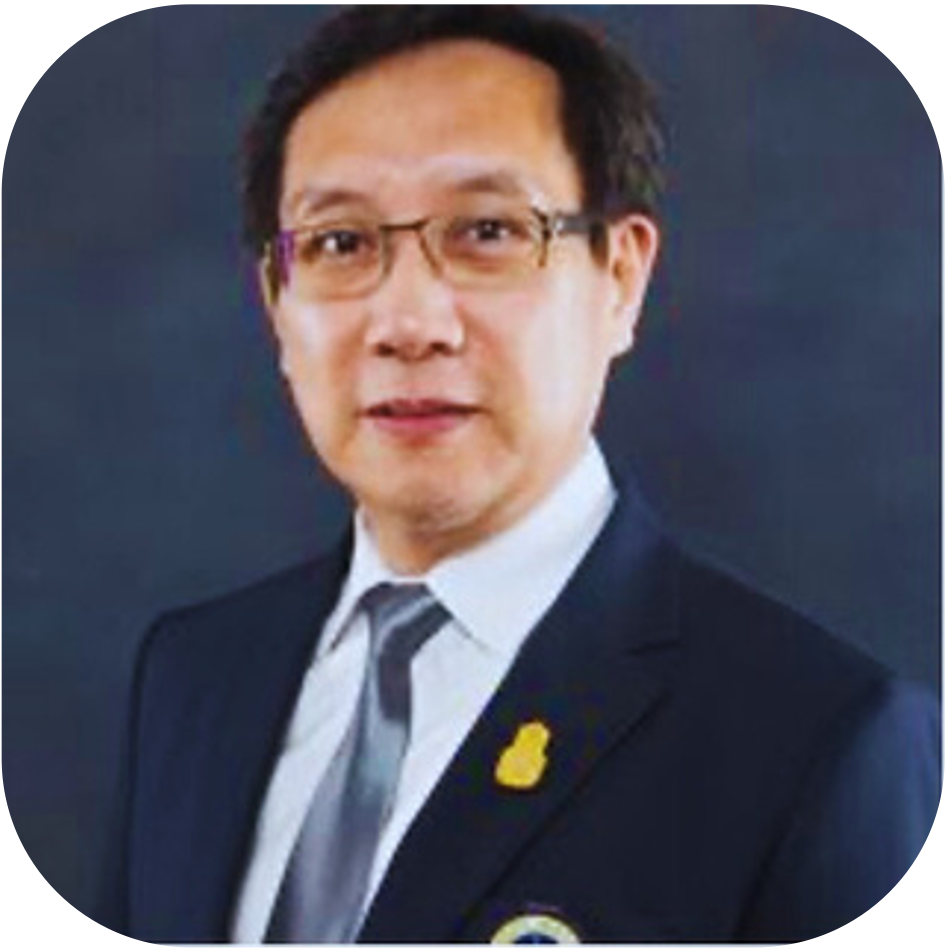
*Associate Prof. Chailerd Pichitpornchai, M.D., Ph.D.
Director, International Institute for Learning, Mahidol University, Thailand
Topic: AI-Augmented Teaching and Learning: Insights from Thailand

Associate Prof. Kuan-Ting Lai
AIoT Laboratorium of National Taipei University of Technology
Topic: Classroom-Level AI Practices for Personalized Education
*awaiting for confirmation
Theme:
“Navigating the Human–AI Collaboration in Education: Challenges and Opportunities”
Subthemes:
- AI Technology in Science, Technology, Engineering, and Mathematic (STEM)
- Digital Learning and AI-driven Personalization
- AI-Based Virtual Laboratories and Simulations
- AI in Engineering Physics and Applied Mechanics
- Sustainability and Green Education with AI
- Artificial Intelligence in Miscellaneous and Future Education
Time & Venue
The 13th ICERI 2025 will be held on
15 - 16 October 2025
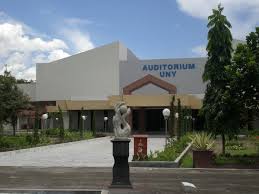
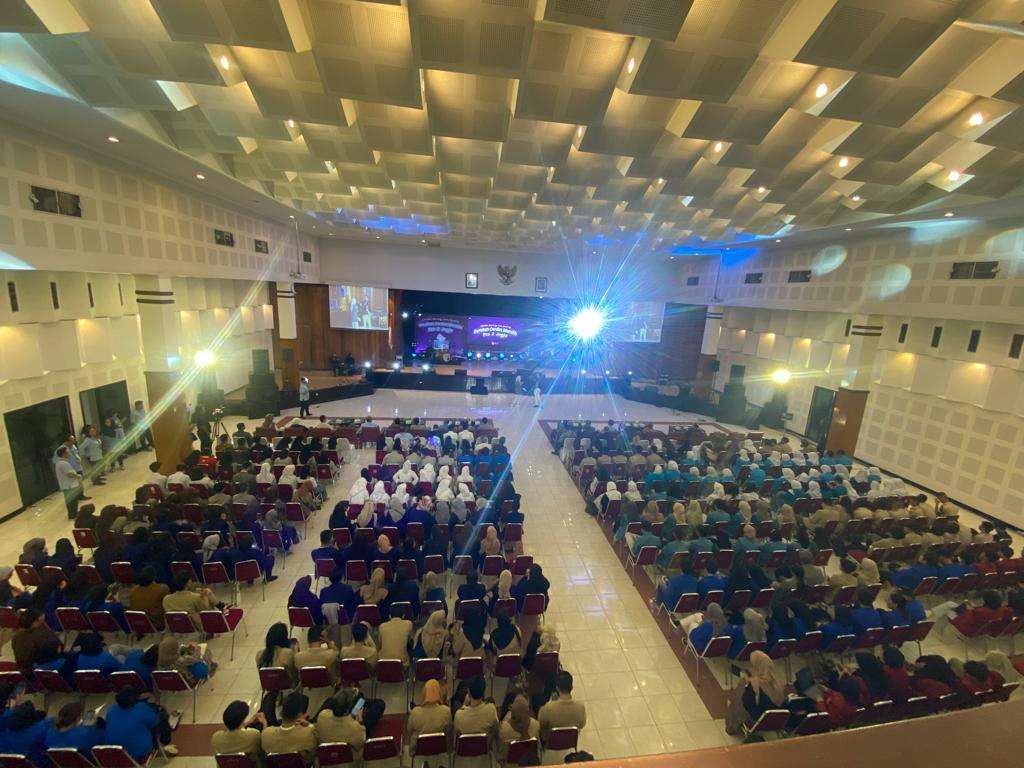


CONFERENCE VENUE
Auditorium UNY
Registration
*The price includes ISSN proceeding publication
Terms and conditions
-
The registration fee covers seminar materials and e-certificate.
-
Participants are responsible for transfer fees and bank charges.
-
At least one author for each accepted paper must register.
-
The authors for selected and presented papers will be charged additional fee for publication and review process.
-
The authors of the selected and presented papers should fill in the commitment form for publication in a conference proceeding in the following link:
Publication Opportunities:
Papers opting for publication in the ISSN Conference Proceedings, submitted in full in English, will be included in the proceedings at no additional cost.
Selected papers will be recommended for publication in the AIP Conference Proceedings (American Institute of Physics), indexed in Scopus. Please be advised that an additional fee will apply for this publication.
Payment
Payment via virtual account for each conference participant or presenter.
Bank :

SUBMISSION PROCEDURE
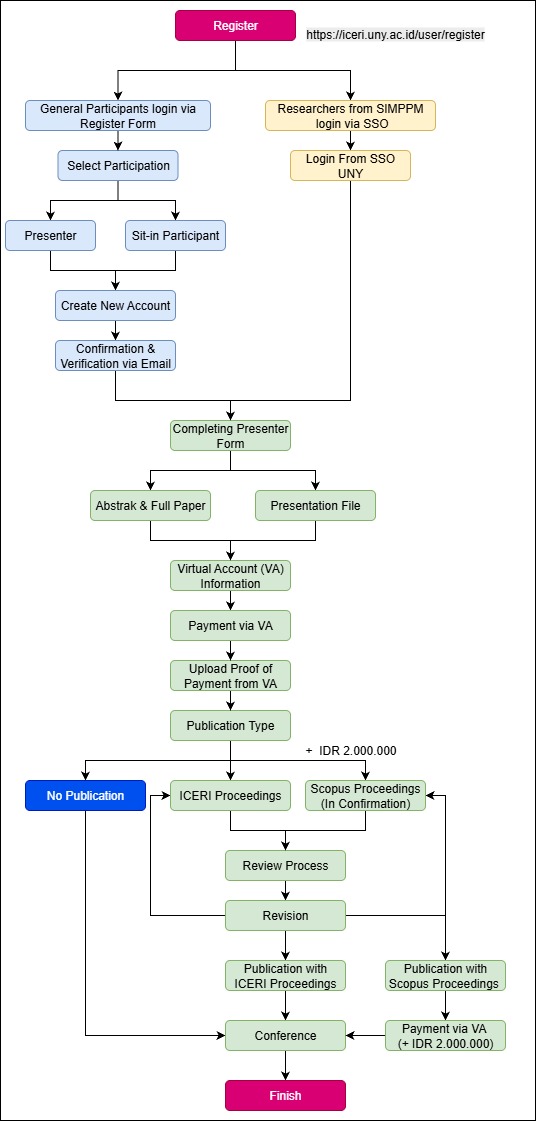
-
Petunjuk Pendaftaran Bagi Sivitas Akademika UNY (Penelitian & PkM)
Attachment Size  petunjuk pendaftaran.pdf
2.17 MB
The manuscript process quality policy can be accepted through the following stages:
1. The editor works up front to screen manuscripts appropriate to the seminar's sub-topics. Editors do not hesitate to reject manuscripts outside the specified sub-topics.
2. The editor will give notes to the author to adjust the manuscript according to the standard AIP template by removing the author's name and affiliation. If an author has not corrected the editor's suggestions, then the author cannot continue at the substantive review stage.
3. The editor carries out a plagiarism check process with Turnitin. The maximum limit for articles that can be continued in the review process is 20% indications of plagiarism. If the percentage exceeds 20%, the editor will inform the Author to revise and resubmit the results of the improvements to the system.
4. Manuscripts that pass the initial process are then subjected to a double-blind review assigned via the system on the website. Assignments are given to two reviewers with scientific fields according to the sub-topics chosen by the author.
5. Reviewers provide substantive input, comments and suggestions on the manuscript using the track changes and comment features in Microsoft Word by ensuring that the reviewer's identity is hidden.
6. Reviewers fill out a general assessment sheet with broad questions, namely: (1) suitability to the conference theme; (2) contribution to scientific innovation and theoretical or practical concepts; (3) depth of problem formulation; (4) accuracy and depth of research methodology; (5) Clarity in disclosing research results; and (6) originality and novelty of the research.
7. Reviewers consider the total score and give one of 4 assessment decisions, namely Accepted without revision, Accepted with minor revision, Accepted with major revision, and Rejected.
8. The author carries out the revision process according to suggestions and comments from reviewers. Reviewers check again the results of manuscript revisions and provide accepted consideration to the editor when all suggestions have been corrected by the author.
9. The editor provides a Letter of Acceptance after obtaining approval from the reviewer.
10. Author makes payment after receiving a Letter of Acceptance and receiving a Letter of Invited Presenter. Only authors who have presented in parallel sessions will be processed for publication in publisher.
11. The final process is filling out the agreement for the author and final layout for publication in the publisher.
Committee
Steering Committee
Patron
- Prof. Dr. Sumaryanto, M.Kes. AIFO (Rector of Universitas Negeri Yogyakarta, Indonesia)
- Prof. Nur Hidayanto Pancoro Setyo Putro, M.Pd., Ph.D. (Vice-Rector for Academic Affairs, Universitas Negeri Yogyakarta, Indonesia)
- Prof. Dr. Lantip Diat Prasojo, S.T., M.Pd. (Vice-Rector for Finance Affairs, Universitas Negeri Yogyakarta, Indonesia)
- Prof. Dr. Siswanto, M.Pd. (Vice-Rector for Human Resource and Legal Affairs, Universitas Negeri Yogyakarta, Indonesia)
- Prof. Soni Nopembri, M.Pd., Ph.D. (Vice-Rector for Cooperation and Information System Affairs, Universitas Negeri Yogyakarta, Indonesia)
Steering Committee
- Prof. Dr. Yudik Prasetyo, M.Kes. AIFO (Director of Research and Community Service, Universitas Negeri Yogyakarta, Indonesia)
- Suprapto, S.Pd., M.T., Ph.D. (Vice Director of Research and Community Service, Universitas Negeri Yogyakarta, Indonesia)
Chairperson
- Prof. Dr. Sri Handayani, M.Si. (Department of Chemical Education, Universitas Negeri Yogyakarta, Indonesia)
- Dr. Ir. Bayu Rahmat Setiadi, M.Pd. (Department of Mechanical Engineering Education, Universitas Negeri Yogyakarta, Indonesia)
Scientific Committee
- Prof. Oh Jin Park, Ph.D. (Department of Information Technology of Jakarta International University, Indonesia)
- Assoc. Prof. Chailerd Pichitpornchai, M.D., Ph.D. (Department of Physiology, Mahidol University, Thailand).
- Assoc. Prof. Kuan-Ting Lai, Ph.D. (National Taipei University of Technology, Taiwan)
- Prof. Dr. Dra. Eli Rohaeti, M.Si. (Department of Chemical Education, Universitas Negeri Yogyakarta, Indonesia)
- Retna Hidayah, ST., MT., Ph.D. (Department of Civil Engineering and Planning Education, Universitas Negeri Yogyakarta, Indonesia)
Proceedings Chairs
- Dr. Phil. Galeh Nur Indriatno Putra Pratama, S.Pd., M.Pd. (Department of Civil Engineering and Planning Education)
- Dr. Phil. Ir. Mashoedah, S.Pd., M.T. (Department of Electronics and Informatics Engineering Education, Universitas Negeri Yogyakarta)
- Surono, M.Pd. (Department of Mechanical Engineering Education, Universitas Negeri Yogyakarta, Indonesia)
- Nita Maghfiratul Jannah, S.Pd., M.Pd. (Directorate of Research and Community Service, Universitas Negeri Yogyakarta, Indonesia)
Organizing Committee
- Dr. Risti Nurfadhila, S.Pd., M.Or. (Department of Sports Coaching Education, Universitas Negeri Yogyakarta, Indonesia)
- Dr. Joko Pamungkas, S.Pd., M.Pd. (Department of Early Childhood Education, Universitas Negeri Yogyakarta, Indonesia)
- Ganda Sukmara, M.Pd. (Directorate of Research and Community Service, Universitas Negeri Yogyakarta, Indonesia)
- Agus Riyanto, M.Pd. (Directorate of Research and Community Service, Universitas Negeri Yogyakarta, Indonesia)
Reviewer Board
- Maonja Finaritra Sitrakiniavo Rakotondramanga Ph.D. (Department of Organic Chemistry, Université d'Antananarivo, Madagaskar)
- Prof. CHM. Dr. Azlan bin Kamari (Nanotechnology Research Centre, Universiti Pendidikan Sultan Idris, Malaysia)
- Prof. Dr. Eng. Ir. Didik Nurhadiyanto, M.T. IPU ASEAN Eng. (Department of Mechanical Engineering Education, Universitas Negeri Yogyakarta, Indonesia)
- Dr. Widihastuti, S.Pd., M.Pd. (Department of Culinary and Fashion Engineering Education)
- Prof. Dr. Sudji Munadi, M.Pd. (Department of Mechanical Engineering Education, Universitas Negeri Yogyakarta, Indonesia)
- Prof. Dr. Ariswan, M.Si. (Department of Physics Education, Universitas Negeri Yogyakarta, Indonesia)
- Dr. Fitri Rahmawati, M.P. (Department of Culinary and Fashion Engineering Education)
- Prof. Dr. Mochamad Bruri Triyono, M.Pd. (Department of Mechanical Engineering Education, Universitas Negeri Yogyakarta, Indonesia)
- Dr. Restu Widiatmono, S.Si., M.Si. (Department of Physics Education, Universitas Negeri Yogyakarta, Indonesia)
- Prof. Dr. Endang Rini Sukamti, M.S. (Department of Sports Coaching Education, Universitas Negeri Yogyakarta, Indonesia)
- Prof. Dr. Wagiran, M.Pd. (Department of Mechanical Engineering Education, Universitas Negeri Yogyakarta, Indonesia)
- Dr. Eka Ary Wibawa, M.Pd. (Department of Accounting Education, Universitas Negeri Yogyakarta, Indonesia)
- Marsono, Ph.D. (Department of Mechanical Engineering Education, Universitas Negeri Malang, Indonesia)
- Prof. Dr. Suyitno, M.Pd. (Department of Automotive Engineering Education, Universitas Muhammadiyah Purworejo, Indonesia)
- Pirom Chenprakhon, Ph.D (Department of Chemical Education, Mahidol University, Thailand)
- Dr. Jose Hanham (Western Sydney University, Australia)
- Prof. Dr. Baholy Robijaona (Department of Chemical, Université d'Antananarivo, Madagaskar)
- Prof. Dr. Shigeyuki Haruyama, (Yamaguchi University, Japan)
- Prof. Yu-Ren Wu, Ph.D. (Department of Mechanical Engineering, National Central University. Taiwan)
- Dr. Eng. Chinnathan Areeprasert (Department of Mechanical Engineering, Kasetsart University, Thailand)
CONTACT PERSONS
Secretariat:
DIRECTORATE OF RESEARCH AND COMMUNITY SERVICES
UNIVERSITAS NEGERI YOGYAKARTA
Colombo Street No.1 Karangmalang Yogyakarta 55281
Phone/Fax: (+62 274) 550840, 550839
Email: iceri@uny.ac.id
Website: http://iceri.uny.ac.id
Contact persons :
- Nita Maghfiratul Jannah (+62 8522 762 4080)
- Oviesta Tasha Retyananda (+62 8953 518 9555)
Petunjuk Pendaftaran Bagi Sivitas Akademika UNY (Penelitian & PkM)
DOWNLOAD
Attachment
Size
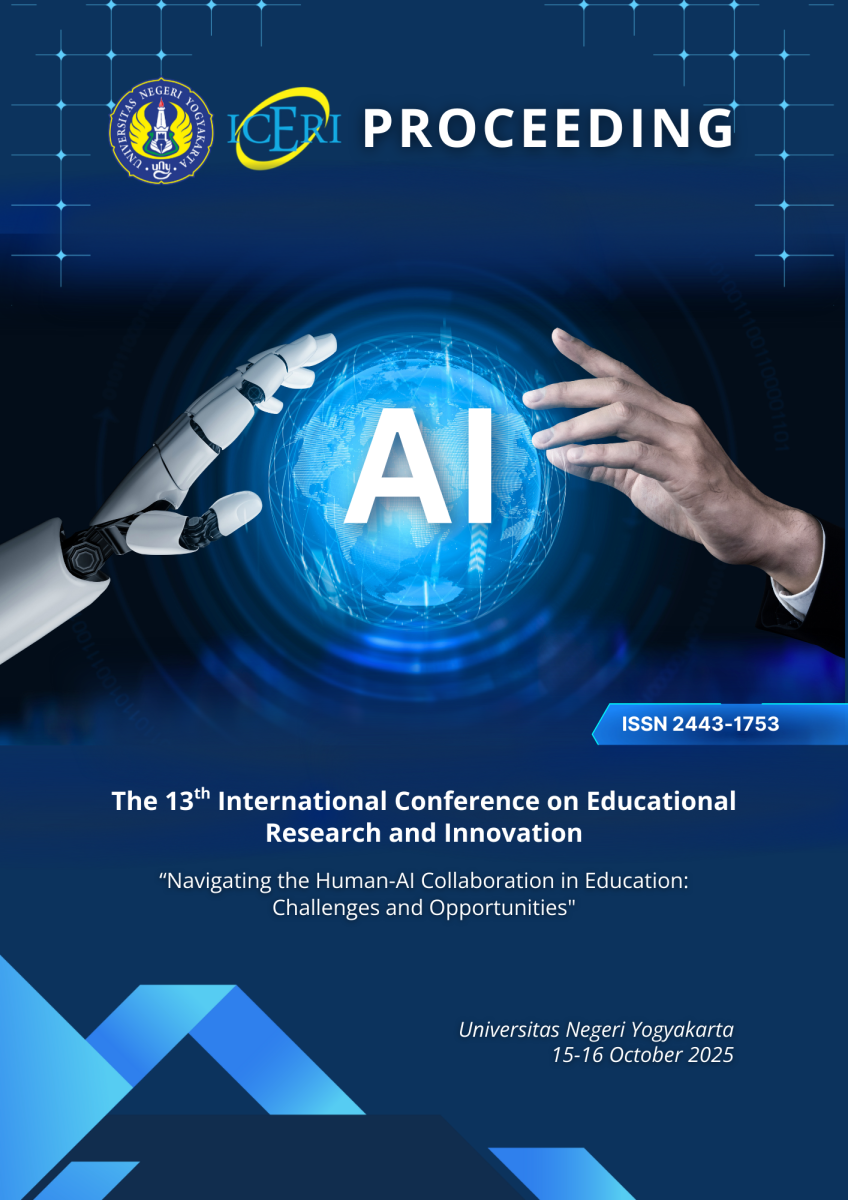
Prosiding ICERI 2025_Batch 1.pdf18.3 MB
Prosiding ICERI 2025_Batch 2.pdf9.3 MB
Prosiding ICERI 2025_Batch 3.pdf8.81 MB
Prosiding ICERI 2025_Batch 4.pdf10.7 MB
Prosiding ICERI 2025_Batch 5.pdf12.06 MB
Attachment
Size
petunjuk pendaftaran.pdf2.17 MB
Attachment
Size
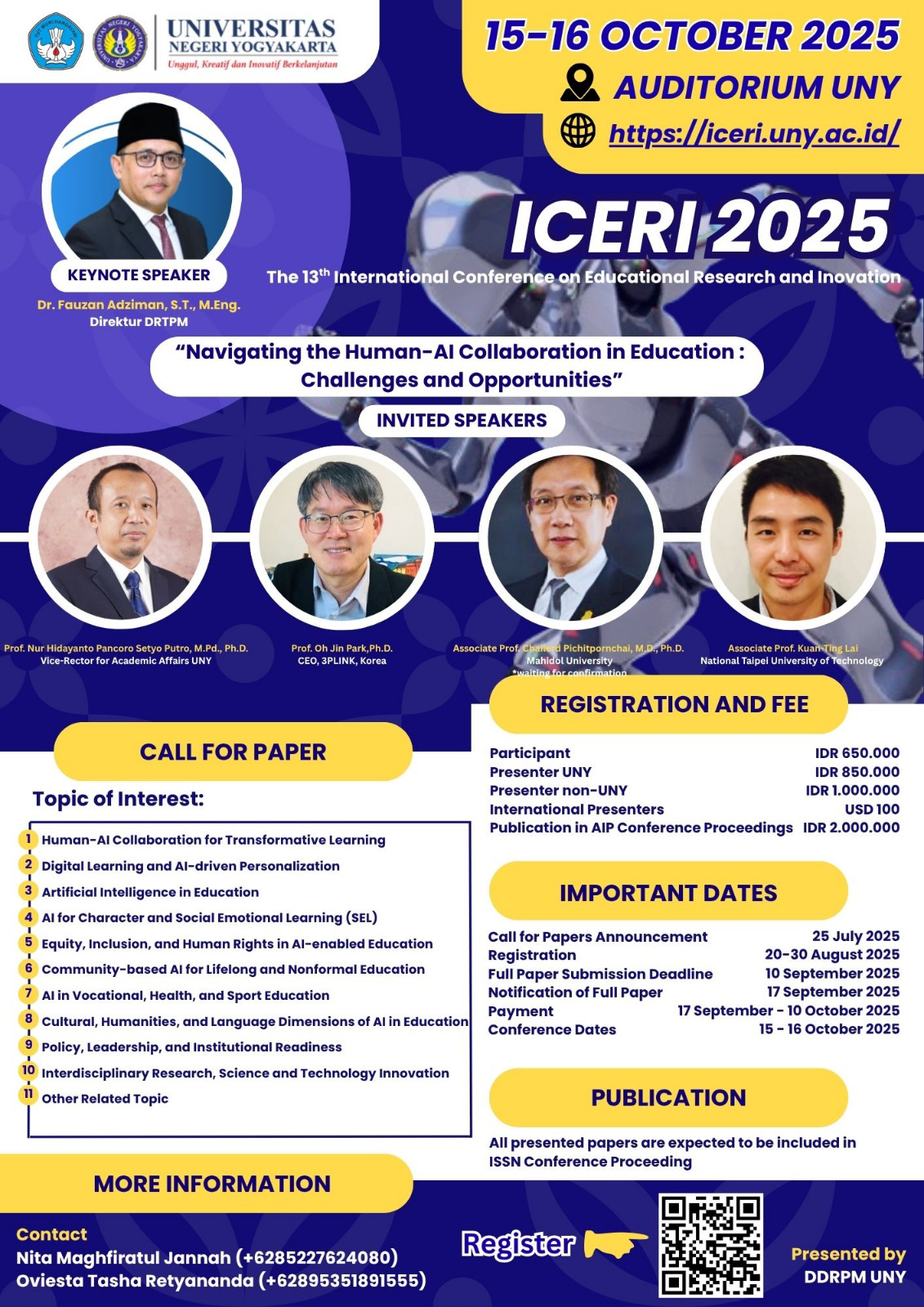
 Iceri 2025 Flyer.jpeg
595.08 KB
Attachment
Size
 AIPCP Article Template(ICERI).docx
67.09 KB
LIVE STREAMING